


Nevis: Land of Firsts -A Tiny Caribbean island Defying its Size
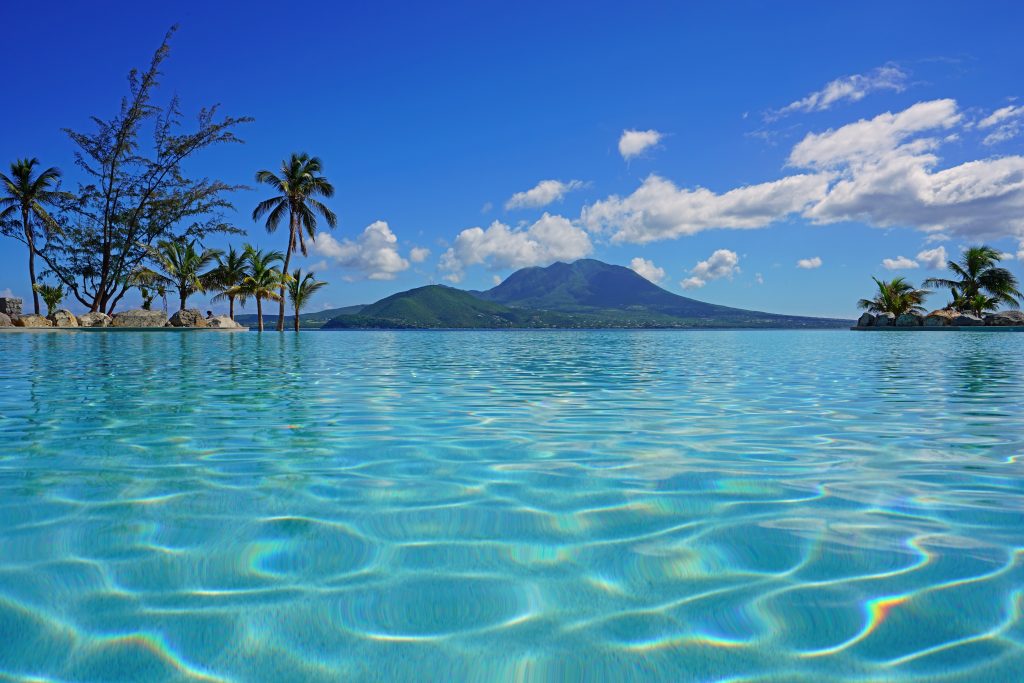
In the heart of the Caribbean, where turquoise waters kiss volcanic shores, lies a gem of an island that roars Nevis, a mere 36 square miles and 13,182 inhabitants, is a testament to the adage that the best things come in small packages. Fondly known as the “Queen of the Caribees,” this tiny island nation has a history rich with firsts and a spirit that punches far above its weight.
Nevis also holds an important place in the religious history of enslaved Africans. Cottle Church (St. Mark’s Chapel of Ease), built in 1824 by Thomas Cottle, is widely regarded as the first church on the island to openly welcome African slaves, allowing enslaved people and free worshippers to pray together under the same roof. This marked a significant moment in Nevis’s journey toward greater religious inclusion and social change.
Nevis’s story is one of a pioneering spirit, a place where history was made. The island was one of the first to be settled by the British in the Caribbean, with English settlers arriving in 1628 [1]. This early settlement set the stage for a series of remarkable firsts that would shape the course of Caribbean history.
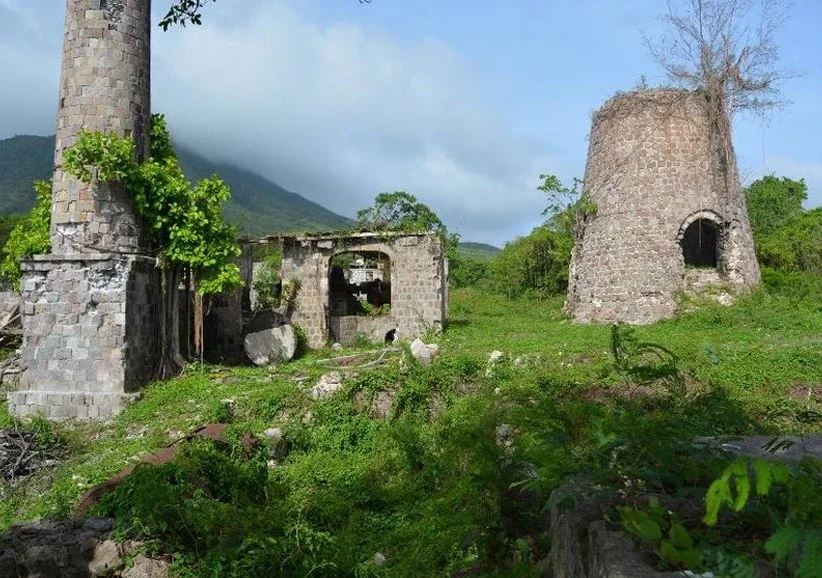
The 17th century saw the introduction of sugar cultivation to the Leeward Islands, and Nevis, with its fertile volcanic soil and tropical climate, was perfectly poised to become a sugar powerhouse. The island was one of the first in the English Caribbean to establish sugar plantations, a move that would bring immense wealth to the island and tragically, the horrors of the slave trade [2]. By the mid-17th century, sugar was the most important export crop from Nevis, and the island became one of the richest sugar islands in the British West Indies, earning its title as the “Queen of the Caribees” [2].
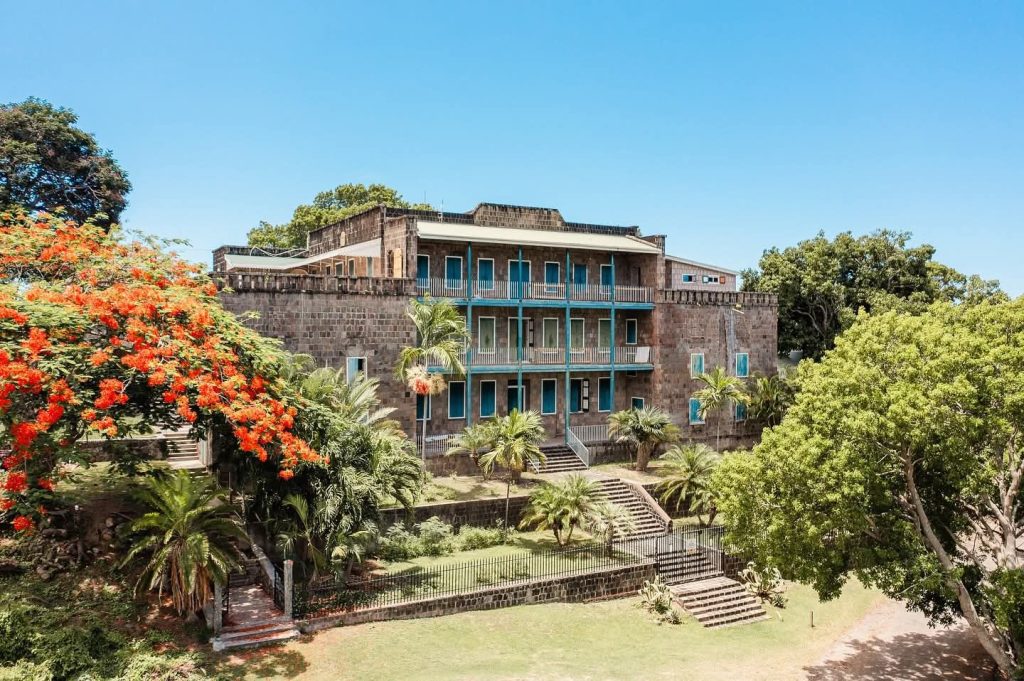
Nevis’s pioneering spirit extended beyond agriculture. The island is home to the first hotel in the Caribbean, the Bath Hotel, built in 1778 [3]. This grand establishment, built around the island’s natural hot springs, drew visitors from across the globe, seeking the curative powers of its thermal waters. The famous Lord Nelson (Battle of Trafalga) married a local Nevisian and honeymooned at this hotel (check). The Bath hotel still stands today.
The island also boasts the oldest wooden hotel in the Caribbean, the Hermitage Plantation Inn, also still in existence. The Great House at the Hermitage, built between 1670 and 1740, is a marvel of colonial architecture and a testament to the island’s enduring history [4].
In the realm of healthcare, Nevis was also a trailblazer. The first hospital in the English Caribbean was established on the island in 1639 by the French governor, de Poincy [5]. Though this early hospital was destroyed in the wars of the 17th century, it stands as a testament to the island’s early commitment to the well-being of its inhabitants.
Nevis’s history is also a story of religious tolerance and diversity. The island is home to the oldest Jewish cemetery in the Caribbean, with gravestones dating back to 1674 [6]. The remains of what is believed to be the oldest synagogue in the Caribbean have also been discovered on the island, a poignant reminder of the vibrant Jewish community that once thrived here [7].
In addition to its Jewish heritage, Nevis is also home to the oldest active Protestant church in the Caribbean. St. Thomas’ Anglican Church, built in 1643, is a beautiful example of early colonial church architecture and a symbol of the island’s enduring faith [8].
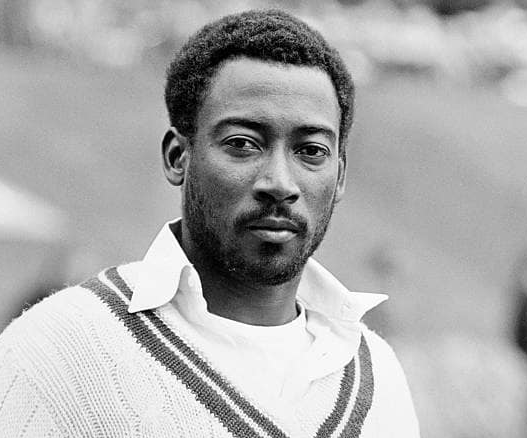
Nevis’s remarkable achievements are not confined to mere history. The island continues to punch above its weight in the modern era, particularly in the world of sports. Nevis has produced the most test cricketers per capita in the world, a truly astonishing feat for an island of its size [9]. The list of Nevisian cricket legends includes Elquemedo Willett, the first Nevisian to play for the West Indies test team, and a host of other talented players who have made their mark on the international stage. These include: Derick Parry, an off-spinner who played 12 Tests for the West Indies, regarded as one of the best spinners from the region; Keith Arthurton, a stylish left-handed batsman and exceptional fielder; Stuart Williams; Runako Morton; Carl Tuckett; and Livingstone Sargeant, to name a few.
No Traffic Lights and No KFC
Beyond the cricket pitch, Nevis has cultivated a unique identity that sets it apart from its Caribbean neighbors. It’s an island where you’ll find no cruise ships crowding the harbors, no traffic lights to disrupt the gentle pace of life, and only one roundabout to navigate. There are no fast-food chains like KFC or McDonald’s, a conscious decision to preserve the island’s authentic local culture and cuisine. This commitment to preserving its natural and cultural heritage is what makes Nevis so special.

Nevis is an island that has resisted mass tourism, choosing instead to preserve its unique charm and character. It’s a place where history is not just a thing of the past, but a living, breathing part of the present. From the ancient sugar plantations to the timeless elegance of its colonial architecture, Nevis is an island that invites you to step back in time and experience the Caribbean as it once was.
So, if you’re looking for a destination that offers more than just sun, sand, and sea, look no further than Nevis. This tiny island with a giant heart is sure to capture your imagination and leave you with a lasting impression of its indomitable spirit.
References
[1] “European ‘discovery’ and settlement.” National Museums Liverpool. Accessed January 27, 2026. https://www.liverpoolmuseums.org.uk/european-discovery-and-settlement.
[2] “Sugar plantations.” National Museums Liverpool. Accessed January 27, 2026. https://www.liverpoolmuseums.org.uk/archaeologyofslavery/sugar-plantations.
[3] “Bath Hotel Virtual Exhibit.” Nevis Historical and Conservation Society. Accessed January 27, 2026. https://www.nevisheritage.org/bath-hotel.
[4] “The History of the Hermitage.” Hermitage Nevis. Accessed January 27, 2026. https://hermitagenevis.com/history-of-the-hermitage/.
[5] “Places.” Historic St. Kitts. Accessed January 27, 2026. https://www.historicstkitts.kn/places?start=30.
[6] “Nevis Jewish Cemetery.” TripAdvisor. Accessed January 27, 2026. https://www.tripadvisor.com/Attraction_Review-g147378-d150307-Reviews-Nevis_Jewish_Cemetery-Charlestown_Nevis_St_Kitts_and_Nevis.html.
[7] “OLDEST SYNAGOGUE IN CARIBBEAN FOUND.” Buffalo News. Accessed January 27, 2026. https://buffalonews.com/news/oldest-synagogue-in-caribbean-found/article_660cda83-8a7a-5d1f-8884-dfa655b4bb08.html.
[8] “Nevis’ Historical Churches – A Tour Through Time.” StKittsNevis.net. Accessed January 27, 2026. https://stkittsnevis.net/nevis-historical-churches-a-tour-through-time/.
[9] Swanston, Clinton. “Will Nevis Ever Learn From The Powerness of Our Cricketers.” The St. Kitts & Nevis Observer, August 30, 2013. https://www.thestkittsnevisobserver.com/will-nevis-ever-learn-from-the-powerness-of-our-cricketers-by-clinton-swanston/.
Here are Related Articles That Might Also Interest You


Interesting read, thanks for sharing this.
Do you think this concept can be applied to other areas of life, like relationships or personal growth?